

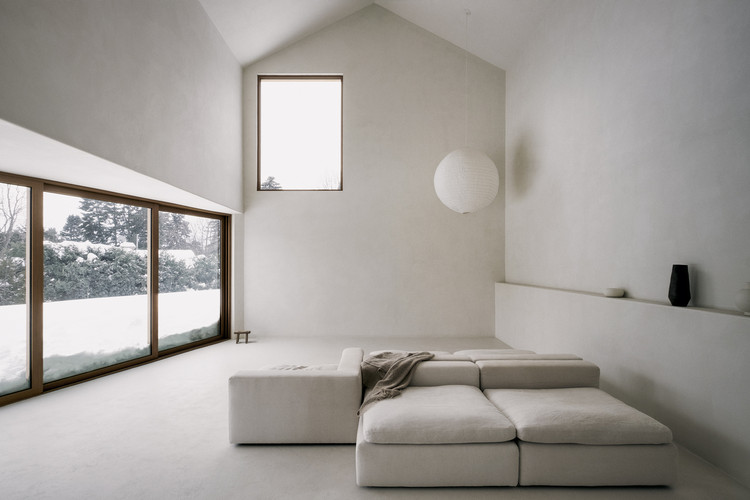
Minimalism has moved far beyond a design aesthetic and quietly become one of the most influential lifestyle shifts of the past decade. From home organization trends to digital decluttering, people are re-evaluating what they bring into their lives—and more importantly, why. As modern life becomes increasingly chaotic and overstimulated, minimalism offers something people rarely get anymore: mental clarity.
At its core, minimalism is about intentionality. It’s the act of removing the unnecessary so that the meaningful has room to grow. The movement first gained popularity through design—clean lines, light spaces, neutral colors—but its real impact is psychological. Clutter, whether physical or digital, pulls attention in dozens of tiny directions. Every item, notification, or commitment demands cognitive energy. When you intentionally reduce what surrounds you, you protect your attention and reclaim mental bandwidth.
One of the reasons minimalism resonates so strongly today is the overwhelming nature of modern consumption. We live in a world where almost everything is easily accessible—fashion trends change weekly, new phones release annually, and social feeds update by the second. The result? Constant comparison and the pressure to keep up. Minimalism interrupts this cycle by shifting focus from getting more to appreciating what you already have.
Minimalism also provides financial freedom. The philosophy naturally encourages smarter spending, fewer impulse purchases, and prioritizing long-term value over short-term novelty. People adopting this lifestyle often report paying down debt, saving more money, and feeling less stressed about finances. The simplicity of “buy less, choose well” has a surprisingly powerful impact.
Even digital life is catching up with the trend. Digital minimalism—reducing screen time, unfollowing unnecessary accounts, limiting notifications—has become a survival strategy for many. With social media dominating daily routines, people crave quiet. A curated digital space leads to reduced anxiety, better focus, and improved productivity.
Minimalism’s influence has even extended to relationships and personal boundaries. Many individuals are becoming more selective with where they invest their energy. Instead of maintaining dozens of surface-level connections, they are choosing deeper, more meaningful ones. Quality over quantity applies to people just as much as it does to objects.
Ultimately, minimalism is becoming the lifestyle of the future because it aligns with what people truly want: peace, space, and purpose. As society becomes more complex, minimalism simplifies. It doesn’t require owning almost nothing or living in an empty white room—it simply asks you to decide what actually matters and remove what doesn’t. And for many, that is the most freeing choice they’ve ever made.